
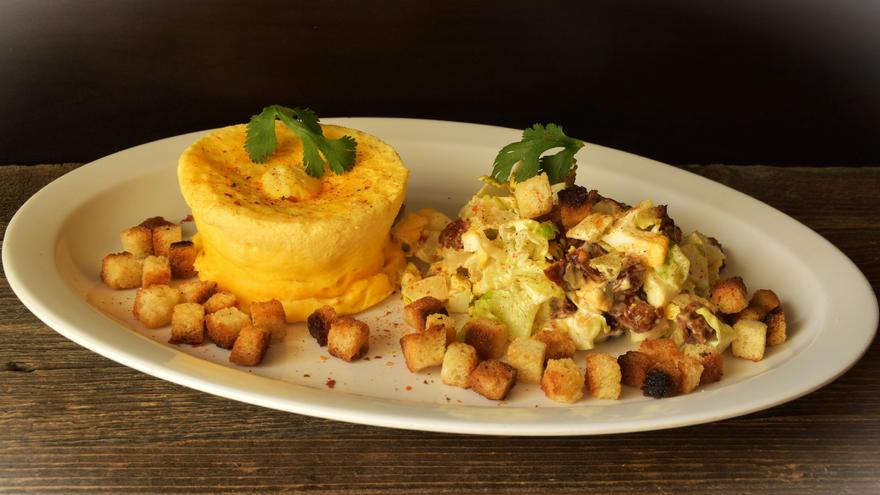
Short on time and appetite? These three high-protein meal-prep recipes give you a ready-to-eat breakfast, lunch, and dinner with 10 minutes or less of active hands-on preparation per recipe.
They are designed around smaller portions and convenient protein sources—not a promise that one food will work for every person taking a GLP-1 medication.
Medications such as semaglutide and tirzepatide can reduce appetite, and their current prescribing information notes delayed gastric emptying and gastrointestinal side effects such as nausea, vomiting, constipation, abdominal discomfort, or reflux. That can make a large, rich meal less appealing or harder to finish for some people.
At the same time, eating less can make it harder to consume enough protein and other essential nutrients. A 2025 joint clinical advisory from four nutrition, lifestyle-medicine, and obesity organizations emphasizes individualized, nutrient-dense eating, adequate protein, and resistance training as part of supportive care during GLP-1 therapy.
The goal of this plan is simple: prepare a few protein-forward foods before you need them, portion them into manageable servings, and adjust each meal according to your appetite, symptoms, medical needs, and clinician's guidance.
High-protein does not have to mean carb-free. These recipes are naturally lower in carbohydrate, but people taking GLP-1 medications do not automatically need a low-carbohydrate diet. Add fruit, beans, whole grains, potatoes, or another carbohydrate you tolerate if that better supports your energy, fiber intake, blood-glucose plan, or overall nutrition needs.
Three 10-Minute High-Protein Meal-Prep Recipes
The 10-minute promise refers to active hands-on preparation. The egg bites require additional baking and cooling time. Nutrition values are estimates based on common products; your totals will vary by brand, ingredient choice, and portion size.
1. Blender Cottage Cheese and Spinach Egg Bites
Blending eggs with cottage cheese creates a soft, airy texture while keeping the portion compact and protein-forward. Make one batch, then reheat only the amount you feel comfortable eating.
Ingredients
- 6 large eggs
- 1 cup 2% or full-fat cottage cheese
- 1/2 cup shredded low-moisture mozzarella or cheddar, divided
- 1/2 cup finely chopped spinach or bell pepper
- Salt, black pepper, and garlic powder to taste
Method
- Preheat the oven to 350°F. Lightly grease a 12-cup silicone muffin pan or place it on a sheet pan for stability.
- Add the eggs, cottage cheese, seasonings, and half of the shredded cheese to a blender. Blend for about 20 seconds, until smooth and airy.
- Divide the chopped vegetables among the muffin cups. Pour the egg mixture over them and top with the remaining cheese.
- Bake for 22 to 25 minutes, until the centers are set. For food safety, egg dishes should reach 160°F.
- Refrigerate within two hours. Store in a covered container for up to four days.
GLP-1 digestibility note: A soft texture and small serving may feel more manageable than a large breakfast when appetite is low. However, eggs, cheese, and higher-fat dairy can worsen nausea or fullness for some people. Start with one bite, eat slowly, and try lower-fat cheese or cottage cheese if richer foods are uncomfortable.
Recipe inspiration and video credit: “Healthy Cottage Cheese Egg Bites | High-Protein Breakfast Recipe” by Chomp&Cheers. Better On® GLP-1 adapted the concept for convenient meal preparation, manageable portions, and symptom-aware GLP-1 nutrition. Watch the creator's original video above or directly on YouTube.
2. Everything-Bagel Egg and Turkey Salad Bowls
This chilled lunch uses pre-cooked ingredients, so it comes together quickly and can be eaten in a smaller bowl, lettuce cup, or a few bites at a time.
Ingredients
- 8 hard-boiled eggs, peeled
- 6 ounces deli turkey breast, diced
- 3 tablespoons plain Greek yogurt or light avocado-oil mayonnaise
- 1 tablespoon Dijon mustard
- 1 to 2 teaspoons everything-bagel seasoning
- Romaine or butter-lettuce leaves and sliced cucumber, for serving
Method
- Place the hard-boiled eggs in a mixing bowl and roughly mash them with a fork.
- Fold in the turkey, Greek yogurt, Dijon mustard, and everything-bagel seasoning.
- Divide the mixture evenly among three covered meal-prep containers.
- Keep the lettuce and cucumber separate. Add them when you are ready to eat so they stay crisp.
GLP-1 digestibility note: Chilled, mild foods may be more appealing during nausea or food aversion, but tolerance is individual. Deli turkey and everything-bagel seasoning can be high in sodium, so compare labels or choose lower-sodium turkey if sodium is a concern. If the mixture feels too rich, use plain Greek yogurt and begin with a smaller serving.
Recipe inspiration and video credit: “The ONLY 5 Lunches You Need to Lose Weight (High Protein Low Carb Meals)” by Love Sweat Fitness. Better On® GLP-1 adapted the concept for convenient meal preparation, manageable portions, and symptom-aware GLP-1 nutrition. Watch the creator's original video above or directly on YouTube.
3. Greek Chicken, Cucumber, and Feta Salad Bowls
Pre-cooked chicken makes this a no-cook dinner. The cucumber and herbs add freshness while the chicken and feta deliver protein without requiring a large volume of food.
Ingredients
- 12 to 15 ounces cooked, shredded rotisserie or pre-cooked chicken breast
- 1/2 cup crumbled feta cheese
- 1 cup diced English cucumber
- 2 green onions, thinly sliced
- 2 tablespoons olive oil
- 2 tablespoons red-wine vinegar or lemon juice
- Dried oregano, salt, and black pepper to taste
- Dark leafy greens, optional, for serving
Method
- Whisk the olive oil, vinegar or lemon juice, oregano, salt, and pepper in a large bowl.
- Add the chicken, cucumber, green onions, and feta. Toss gently until evenly coated.
- Divide the mixture among three covered meal-prep containers.
- Keep optional greens separate and add them just before eating.
GLP-1 digestibility note: Lean chicken supplies substantial protein in a relatively compact portion. Vinegar, lemon, feta, and oil do not automatically improve digestion, and acidic or higher-fat foods may aggravate reflux, nausea, or fullness for some people. Reduce the oil, dilute the dressing with water, or skip the acid if your symptoms call for a milder bowl.
Recipe inspiration and video credit: “10 Minute High Protein Keto Meals for WEIGHT LOSS” by KetoFocus. Better On® GLP-1 adapted the concept for convenient meal preparation, manageable portions, and symptom-aware GLP-1 nutrition. Watch the creator's original video above or directly on YouTube.
How to Make This Meal Prep Work on a GLP-1
- Start smaller than you think you need. You can always eat more if you remain hungry and comfortable.
- Eat slowly and stop at comfortable fullness. Do not force yourself to finish a pre-portioned container.
- Split a serving when needed. Half at lunch and half later can be more manageable than one larger eating occasion.
- Adjust texture and temperature. Some people prefer soft or chilled foods during nausea; others do not.
- Add fiber and carbohydrates according to your needs. A piece of fruit, beans, whole-grain crackers, or a small potato can make a lower-carb meal more balanced.
- Pair nutrition with strength-supporting movement. Protein is important, but it is not a substitute for resistance exercise or an individualized medical plan.
For more practical guidance, read 3 Simple Tips for Eating Healthier While Taking a GLP-1, explore five high-protein plant-based breakfasts, or learn how a dietitian can personalize GLP-1 nutrition support.
Meal-Prep Food Safety
Refrigerate prepared food within two hours and keep your refrigerator at 40°F or below. The USDA generally recommends using refrigerated leftovers within three to four days. Label each container with the preparation date, discard food that was left out too long, and follow the shortest storage limit for the ingredients you used.
Evidence and Recipe Sources
- Nutritional Priorities to Support GLP-1 Therapy for Obesity: A Joint Advisory
- Current FDA prescribing information for Wegovy (semaglutide)
- Current FDA prescribing information for Zepbound (tirzepatide)
- USDA leftovers and food-safety guidance
- USDA FoodData Central for ingredient-level nutrition reference
Build a Better Plan for Life on a GLP-1
Better On® GLP-1 provides practical, dietitian-led education to help you understand protein, movement, meal planning, side-effect strategies, and sustainable health habits while taking a GLP-1 medication.
Start the free five-part GLP-1 courseFrequently Asked Questions
About the Author
Haley Bishoff, RDN, LD
Registered Dietitian Nutritionist and Founder of Better On® GLP-1
Haley Bishoff is a registered dietitian nutritionist who helps people develop practical, sustainable approaches to food and wellness. As the founder of Rūtsu Nutrition and Better On® GLP-1, Haley provides evidence-informed education designed to help people better understand protein, meal planning, digestive health, movement, and everyday nutrition while using GLP-1 medications.
Learn more about HaleyMedical Disclaimer
This article is for educational purposes only and is not a substitute for individualized medical care. Speak with your prescribing clinician or registered dietitian before making significant changes to your diet, medication, or treatment plan. Seek prompt medical guidance for severe or worsening abdominal pain, persistent vomiting or diarrhea, signs of dehydration, or an inability to keep food or fluids down.

Comments