On GLP-1 shot day, the hardest part of eating is often not knowing what sounds good. It is finding something that feels manageable, provides useful nutrition, and does not require much time in the kitchen.
These five recipes are designed for exactly that kind of day. Every option takes 15 minutes or less, begins with a smaller portion, includes a practical source of protein, and links to a video from an established recipe creator so you can watch the technique before you begin.
No recipe can guarantee that nausea will not occur. Think of these as flexible meal ideas that may be easier to tolerate—not a medically required shot-day menu. If your symptoms tend to appear the day after your injection instead, use these recipes during your own sensitive window.
Quick answer: Start with the recipe that sounds most tolerable, prepare a smaller serving, eat slowly, and stop at the first comfortable sign of fullness. On a nausea-prone day, keep added fats, raw vegetables, seeds, strong spices, and acidic ingredients modest.
For the complete food-and-meal-timing framework behind these recipes, read What to Eat on GLP-1 Shot Day to Help Reduce Nausea.
Five Quick GLP-1 Shot-Day Recipes at a Glance
| Recipe | Time | Protein source | May work well when |
|---|---|---|---|
| Small Greek yogurt banana bowl | 5 minutes | Greek yogurt | A cool, low-prep breakfast or snack sounds appealing |
| Soft scrambled eggs with toast | 10 minutes | Eggs | You want a mild, savory mini-meal |
| Creamy banana oatmeal | 15 minutes | Milk or soy milk; optional Greek yogurt | A warm, soft carbohydrate sounds easiest |
| Small banana protein smoothie | 5 minutes | Greek yogurt or a familiar protein powder | Solid food is unappealing, but a small drink feels manageable |
| Simplified Tuscan tuna-and-rice bowl | 10 minutes | Tuna | You feel well enough for a light lunch or dinner |
How We Chose the Videos
Each featured video comes from a YouTube channel with more than 100,000 subscribers at the time of review. The linked creators demonstrate the original recipes or cooking techniques. The smaller Better On® GLP-1 versions below are our shot-day adaptations, so the ingredients may intentionally differ from what you see in the video.
1. Small Greek Yogurt Banana Bowl
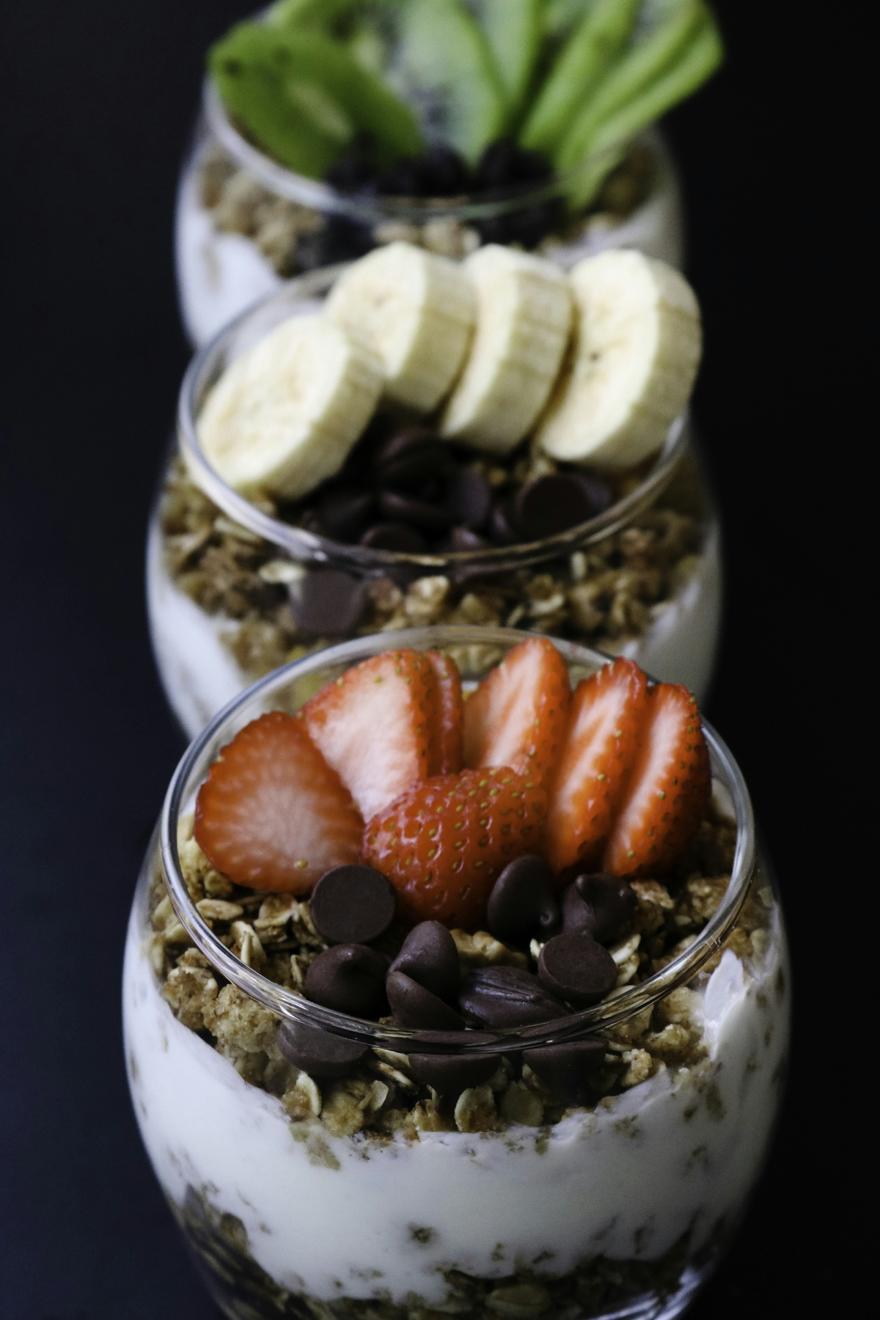
A cool yogurt bowl can be a practical option when cooking smells are unappealing. Greek yogurt provides protein in a relatively small volume, while mashed banana adds a soft carbohydrate and mild sweetness.
5 Minutes • 1 Small Serving
Ingredients
- 1/2 cup plain nonfat or low-fat Greek yogurt
- 1/4 to 1/2 banana, mashed or thinly sliced
- 1 to 2 teaspoons milk, if you prefer a thinner texture
- 1 tablespoon soft berries, optional
- 1 tablespoon granola, optional and best saved for a day when dry or crunchy foods sound comfortable
Directions
- Stir the Greek yogurt until smooth. Add a small splash of milk if it feels too thick.
- Fold in the mashed banana.
- Add berries or granola only if those textures sound appealing.
- Begin with part of the bowl, eat slowly, and save the rest if fullness arrives early.
Shot-day adjustment: Skip large amounts of seeds, nuts, nut butter, and granola when nausea, bloating, or very early fullness is active. If dairy is not comfortable for you, choose a familiar dairy-free yogurt with a protein content that fits your needs.
Video credit: Dani Spies, Clean & Delicious. The video demonstrates the creator's high-protein yogurt-bowl approach; the recipe above is the smaller Better On® GLP-1 adaptation.
Watch the Yogurt Bowl Video View the Creator's Written Recipe
2. Soft Scrambled Eggs with Toast
Soft scrambled eggs with toast are mild, familiar, and easy to portion. Keeping the heat low helps the eggs remain soft, while toast provides a simple carbohydrate alongside the protein.
10 Minutes • 1 Small Serving
Ingredients
- 1 or 2 eggs, depending on your appetite
- 1 teaspoon water or milk
- Small pinch of salt
- Nonstick cooking spray or up to 1/2 teaspoon butter
- 1 slice toast or a few plain crackers
- A few banana slices or unsweetened applesauce, optional
Directions
- Whisk the eggs with the water or milk and a small pinch of salt.
- Warm a nonstick pan over low heat and add cooking spray or a small amount of butter.
- Add the eggs and stir slowly, pulling the cooked egg toward the center.
- Remove from the heat while the eggs are still soft; they will continue cooking briefly in the pan.
- Serve with toast or crackers. Stop when comfortably satisfied, even if food remains.
Shot-day adjustment: Keep the butter, cheese, hot sauce, sausage, and rich toppings modest. A simple egg-and-toast plate may feel more comfortable than a fully loaded breakfast.
Video credit: Jamie Oliver. The video teaches three scrambled-egg techniques; the ingredient amounts and lower-fat serving above are the Better On® GLP-1 adaptation.
Watch the Scrambled Eggs Video View the Creator's Written Guide
3. Creamy Banana Oatmeal
Oatmeal offers a warm, soft texture that may be appealing when crunchy or strongly seasoned foods are not. Cooking banana into the oats adds sweetness without requiring a heavy topping.
15 Minutes • 1 Small Serving
Ingredients
- 1/3 cup rolled oats
- 2/3 cup dairy milk or fortified unsweetened soy milk
- 1/2 banana, mashed
- Pinch of cinnamon, optional
- 1 to 2 tablespoons plain Greek yogurt, optional after the oatmeal cools slightly
Directions
- Combine the oats, milk, banana, and cinnamon in a small saucepan.
- Bring to a gentle simmer and cook for 8 to 10 minutes, stirring often.
- Add more milk if you prefer a thinner, less sticky texture.
- Let the oatmeal cool slightly. Stir in Greek yogurt if desired and tolerated.
- Serve part of the bowl first and add more only if you remain comfortably hungry.
Shot-day adjustment: The original Pick Up Limes recipe includes flaxseed, peanut butter, hemp seeds, pumpkin seeds, and berries. Those foods can fit a balanced diet, but the full combination is high in fat and fiber. On a sensitive day, begin with the simpler base above and add toppings only according to tolerance.
Video credit: Sadia Badiei, Pick Up Limes. The video includes the creator's Classic Comforting Oatmeal. The reduced portion and simplified toppings above are the Better On® GLP-1 adaptation.
Watch the Oatmeal Video View the Creator's Written Recipe
4. Small Banana Protein Smoothie
A small smoothie can be useful when chewing feels unappealing, but more is not automatically better. Keeping the volume modest and the added fat and fiber light may make it more manageable than a large meal-replacement shake.
5 Minutes • About 8 to 10 Ounces
Ingredients
- 1/2 small banana, fresh or frozen
- 1/2 cup low-fat dairy milk or fortified unsweetened soy milk
- 1/4 cup plain Greek yogurt or 1/2 scoop of a familiar protein powder you already tolerate
- 1 tablespoon quick oats, optional
- Pinch of cinnamon, optional
- Tiny pinch of ground ginger, optional and only if you already enjoy and tolerate it
Directions
- Add all ingredients to a blender.
- Blend until completely smooth, adding a little more milk if the drink is too thick.
- Pour a small serving and sip slowly rather than drinking it quickly.
- Refrigerate the remainder if fullness begins before you finish.
Shot-day adjustment: The creator's original smoothie uses peanut butter and oatmeal. Reduce or omit the peanut butter when fat feels heavy, and leave out the oats when added fiber or thickness worsens fullness.
About ginger: Research suggests ginger may help with some forms of nausea, but it has not been established as a treatment for GLP-1 medication-related nausea. A small culinary amount is optional; do not describe it as stimulating gastric motility, preventing nausea, or replacing advice from your healthcare provider.
Video credit: Dani Spies, Clean & Delicious. The video demonstrates the creator's banana breakfast smoothie; the smaller volume, protein option, and lighter added-fat approach above are the Better On® GLP-1 adaptation.
Watch the Smoothie Video View the Creator's Written Recipe
5. Simplified Tuscan Tuna-and-Rice Bowl
This is the most substantial recipe in the group and is best saved for a shot day when you are able to eat but want a light lunch or dinner. Tuna provides protein, while microwave rice adds a familiar carbohydrate without extending the preparation time.
10 Minutes • 1 Small Serving
Ingredients
- 1/2 of a 5-ounce can tuna packed in water, drained
- 1/3 cup cooked white rice, warmed
- 1 tablespoon plain Greek yogurt or 1 teaspoon olive oil
- 1 to 2 tablespoons finely chopped roasted red pepper or soft-cooked zucchini, optional
- Pinch of dried parsley or basil
- 1 to 2 tablespoons rinsed white beans, optional and best used only when beans feel comfortable
Directions
- Warm the rice according to the package directions.
- Mix the tuna with Greek yogurt or olive oil and a pinch of herbs.
- Add roasted pepper, zucchini, or a small spoonful of beans only if those ingredients are comfortable for you.
- Spoon the tuna over the rice and begin with a modest portion.
Shot-day adjustment: The original Tuscan salad includes beans, olives, sun-dried tomatoes, red onion, cucumber, capers, lemon, herbs, and olive oil. When nausea, reflux, or bloating is active, skip the onion, lemon, capers, olives, and large bean serving. Choose the simpler rice bowl—or another recipe in this article—based on what sounds tolerable.
Video credit: Lisa Bryan, Downshiftology. The video demonstrates the creator's full Tuscan tuna salad; the rice-based mini-meal and simplified ingredient list above are the Better On® GLP-1 adaptation.
Watch the Tuscan Tuna Video View the Creator's Written Recipe
How to Choose the Right Recipe for Your Shot Day
Use symptoms and appetite—not a rigid schedule—to decide which recipe fits.
- Very low appetite: Start with a few spoonfuls of the yogurt bowl, a small serving of oatmeal, or part of the smoothie.
- Active nausea: Choose the mildest option and simplify it further. Toast, crackers, banana, rice, or oatmeal may be the easiest starting point before adding protein later.
- Sensitive to cooking smells: Try the cold yogurt bowl or smoothie.
- Want something savory: Choose soft scrambled eggs with toast.
- Appetite feels reasonably normal: Try the simplified tuna-and-rice bowl, beginning with a smaller serving.
There is no required meal before or after an injectable GLP-1 medication. If you are hungry, eat. If you recently ate and feel satisfied, you do not need to add another meal simply because it is injection time.
Dietitian Approach
A recipe serving is a starting point, not a requirement. Prepare a small amount, eat slowly, and save what remains. The goal is not to finish the bowl; it is to give your body a manageable opportunity to receive protein, carbohydrate, and fluid without pushing past comfortable fullness.
What We Intentionally Left Out
Several recipes can be nutritious on ordinary days but are not our first choice when nausea or uncomfortable fullness is already present. That includes oversized green smoothies, heavily spiced tofu dishes, large bean salads, fried foods, and recipes with many high-fat or high-fiber additions in one serving.
This does not make those foods “bad.” It simply means portion size, texture, and total digestive load matter. Return to a wider range of foods as appetite and comfort improve.
The Better On® GLP-1 Bottom Line
A useful shot-day recipe does not need to be elaborate. It should be quick, easy to portion, built around foods you already tolerate, and flexible enough to simplify when your stomach feels sensitive.
Choose one recipe, start small, eat slowly, and stop at comfortable fullness. If your sensitive period happens the next day instead of injection day, move the same approach to the time when you actually need it.
Want More Practical GLP-1 Nutrition Guidance?
Better On® GLP-1 provides dietitian-led education to help you approach protein, meals, digestive side effects, movement, and sustainable nutrition with greater confidence.
Start the Free Five-Part GLP-1 CourseFrequently Asked Questions
About the Author
Haley Bishoff, RDN, LD
Registered Dietitian Nutritionist and Founder of Better On® GLP-1
Haley Bishoff is a registered dietitian nutritionist who helps people develop practical, sustainable approaches to food and wellness. As the founder of Rūtsu Nutrition and Better On® GLP-1, Haley provides evidence-informed education designed to help people understand protein, meal planning, digestive health, movement, and everyday nutrition while using GLP-1 medications.
Learn More About HaleySources and Recipe Credits
- Nutritional Priorities to Support GLP-1 Therapy for Obesity: A Joint Advisory
- Clinical Recommendations to Manage Gastrointestinal Adverse Events in Patients Treated With GLP-1 Receptor Agonists
- Ginger in Gastrointestinal Disorders: A Systematic Review of Clinical Trials
- Clean & Delicious: Yogurt with Granola, Apples & Peanut Butter
- Jamie Oliver: How to Make Perfect Scrambled Eggs
- Pick Up Limes: Classic Comforting Oatmeal
- Clean & Delicious: 5-Minute Breakfast Smoothie with Rolled Oatmeal
- Downshiftology: Tuscan Tuna Salad
Medical Disclaimer
This article provides general nutrition education and is not individualized medical advice. Food strategies may improve comfort but cannot prevent all medication side effects. Contact your prescribing healthcare provider if nausea is severe or persistent, you cannot keep food or fluids down, you have signs of dehydration, or you develop severe or worsening abdominal pain.

Comments